
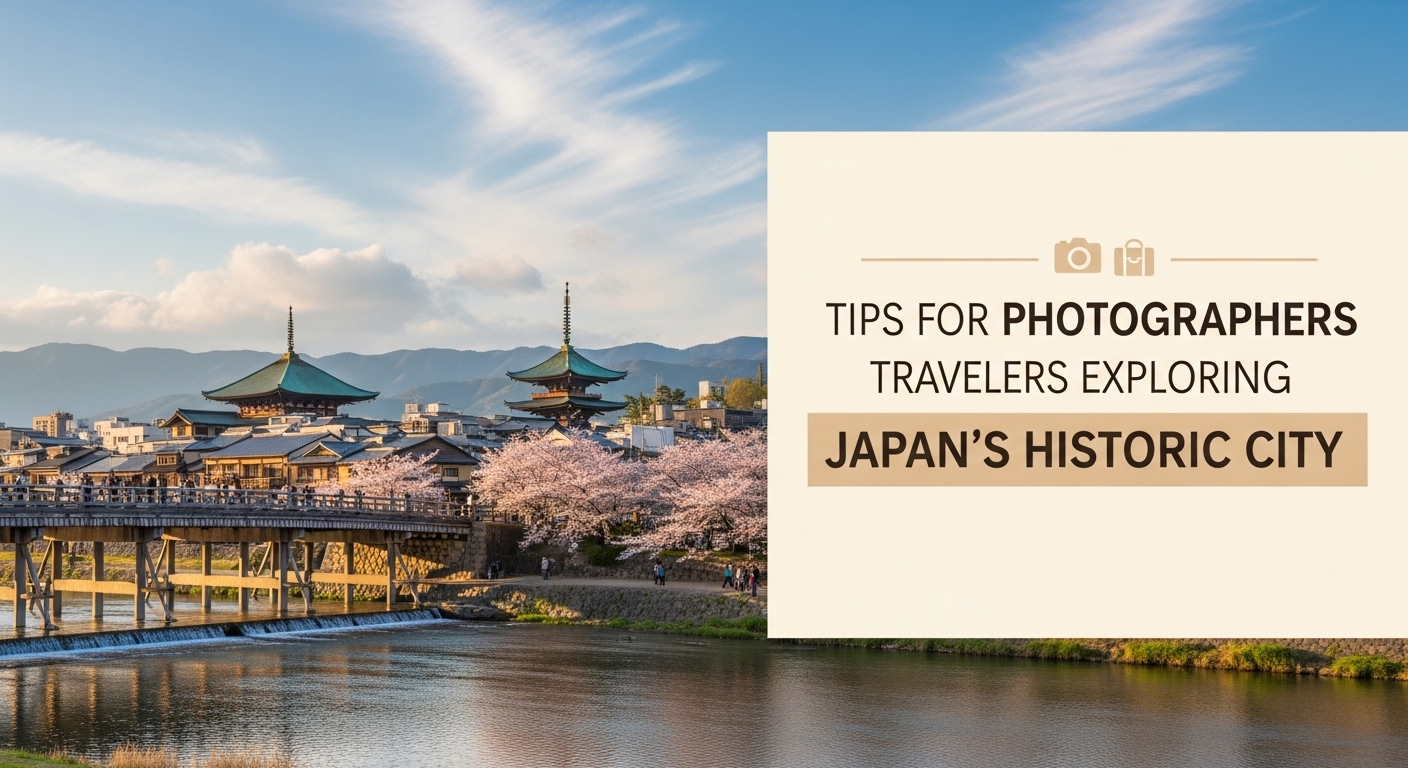
Japan Historic City
Have you ever walked through a place where every street feels like a story waiting to be captured? In Japan, historic cities offer far more than famous landmarks—they reveal layers of culture through quiet alleys, traditional homes, temples, and everyday routines. For photographers and curious travelers, these places provide moments that feel both timeless and deeply personal.
This blog focuses on exploring a Japan historic city in a meaningful way, especially for those who love photography and cultural travel. It explains how to move beyond crowded attractions and discover authentic scenes worth remembering. From planning the right walking routes to understanding cultural etiquette, this guide helps you experience a Japan historic city thoughtfully. Whether you’re holding a camera or simply observing, these tips will help you see Japan through a deeper, more respectful lens.
Let’s begin by understanding what makes Japan’s historic cities so visually and culturally special. From there, we’ll explore practical tips for travel, photography, and cultural immersion.
Why a Japan Historic City Is a Dream for Photographers and Travelers
A Japan historic city offers something rare: a blend of preserved tradition and everyday modern life. Ancient temples sit beside quiet residential streets, while wooden houses and stone paths create visual harmony. For photographers, this balance offers endless opportunities to capture contrast, texture, and atmosphere.
From a travel perspective, historic Japan sightseeing allows visitors to slow down. Instead of rushing between attractions, travelers can observe rituals, architecture, and daily routines that reflect centuries of cultural continuity. According to Japan photography travel, cities with strong cultural identity often inspire more meaningful images because scenes feel lived-in rather than staged. A Japan historic city provides that authenticity naturally.
Pro tip: Early mornings and late afternoons offer the best light and the quietest streets for photography and exploration.
With the appeal clear, let’s look at how to plan your visit more thoughtfully.
Planning Your Route Through a Japan Historic City
Exploring a Japan historic city works best when you walk rather than rely on transport. Walking allows you to notice details such as lanterns, doorways, street signs, and local interactions—elements often missed when moving too quickly.
When planning your route, keep these Japan travel tips in mind:
- Choose one neighborhood instead of covering the entire city
- Use side streets rather than main tourist routes
- Allow time for unplanned stops and observations
Many travelers following a Japan travel guide focus only on major attractions. However, the real charm of a Japan historic city lies in its quieter areas. These routes often lead to small temples, local shops, and peaceful courtyards. For photographers, this approach increases the chance of capturing authentic moments that define Japan city exploration beyond guidebook highlights.
Once your route is planned, understanding cultural behavior becomes essential.
Cultural Awareness and Photography Etiquette in Japan
Respect is central to enjoying a Japan historic city, especially when photographing people, temples, and cultural spaces. Japan places great importance on privacy, order, and tradition, and travelers are expected to observe these values.
Important etiquette to follow includes:
- Avoid photographing people without permission
- Follow posted rules when you visit temples in Japan
- Keep noise levels low in residential areas
Travelers interested in Japan cultural travel often find that respectful behavior leads to warmer interactions and more meaningful experiences. By observing first and photographing second, visitors gain trust and insight. This approach enhances both travel enjoyment and image quality. A Japan historic city rewards patience—moments unfold slowly, and the best images often come from waiting rather than chasing scenes.
With etiquette understood, let’s focus on what to look for through your lens.
Experience a Japan Historic City With Purpose
Exploring a Japan historic city is not about capturing as many photos as possible—it’s about understanding what you see. A thoughtful mindset turns travel into a learning experience rather than a checklist.
Key takeaways to remember:
- Walk slowly and stay observant
- Focus on details as much as landmarks
- Respect cultural boundaries and local life
- Use light, timing, and patience to your advantage
Pro tip: Put your camera away occasionally—experiencing moments fully often improves how you capture them later.
By traveling with intention, your journey becomes more meaningful and memorable.
Conclusion
Exploring a Japan historic city offers photographers and travelers a rare opportunity to experience living history. From quiet streets and traditional neighborhoods to temples and daily rituals, these cities reveal Japan’s cultural depth in subtle ways. By walking thoughtfully, respecting traditions, and staying curious, visitors move beyond surface-level tourism and into genuine cultural connection.
Smart planning helps support this style of travel, and platforms like Expedia make it easier to arrange comfortable stays and flexible itineraries while leaving room for exploration. When approached with patience and respect, a Japan historic city becomes more than a destination—it becomes a story you carry home through memories, images, and understanding.
For more thoughtful travel guides and photography-friendly destinations, revisit Holidaysvibe and keep discovering places where culture, history, and stories come alive.
 Exploring the Salt Flats of Bolivia: A Complete Travel Guide
  The Ultimate Buenos Aires Travel Guide: Culture, Cuisine, and Nightlife
  A First-Timer’s Guide to Exploring the Ancient City Temples of Bagan
  Discover Queenstown: World’s Adventure Capital and Outdoor Playground
  The Ultimate Guide to Petra: Explore the Ancient Wonder
  The Ultimate Guide to Bhutan: Mindfulness, Mountains, and Monasteries
  Rwanda’s Majestic Mountain Gorillas: Tips for the Ultimate Wildlife Encounter