
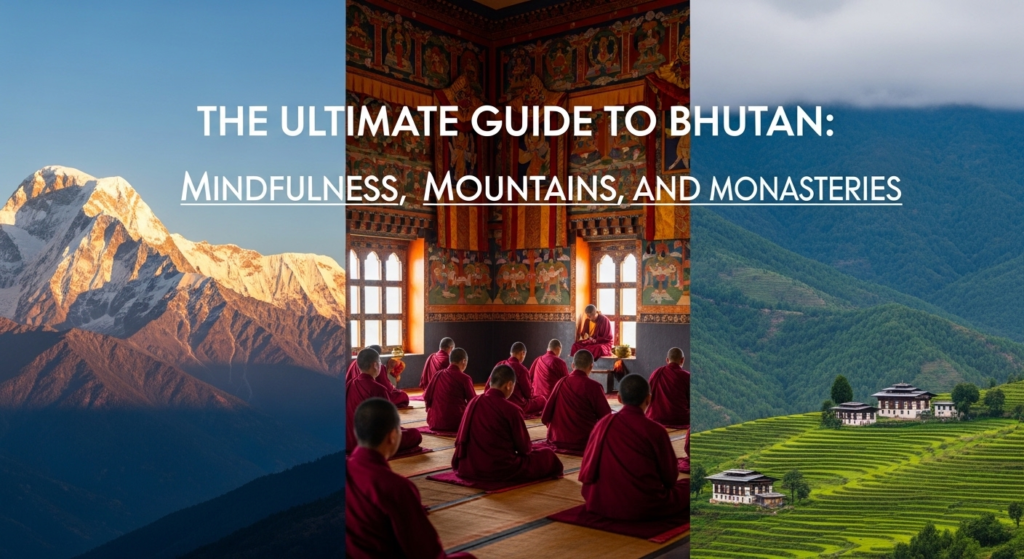
Guide To Bhutan
There are places you travel to for photos, and then there are places you travel to for perspective. Bhutan belongs firmly in the second category. Tucked high in the Eastern Himalayas, this small kingdom doesn’t shout for your attention—it whispers. And somehow, those whispers stay with you long after you’ve unpacked your bags.
If you’ve ever felt tired of rushed itineraries, crowded landmarks, and destinations that feel more like checklists than experiences, this guide To Bhutan is for you. Bhutan doesn’t try to impress. It simply is. And that’s exactly why it changes people.
Let’s slow down together and walk through this guide To Bhutan, one mindful step at a time.
Why Bhutan Feels Different From Everywhere Else
Bhutan measures success not by GDP, but by Gross National Happiness. That’s not a marketing line—it’s policy. And you feel it the moment you arrive. There are no traffic lights in the capital. People actually smile at strangers. Time stretches out in the most comforting way.
This guide To Bhutan isn’t about rushing from one attraction to another. It’s about understanding a country that believes happiness is a collective responsibility. That belief shapes everything—from architecture and daily rituals to how tourism itself works.
If you’re browsing a typical Bhutan travel guide, you’ll see rules about sustainable tourism. What you won’t always see is how deeply locals care about preserving their culture, land, and spiritual identity. Bhutan invites you in—but asks you to tread gently.
First Impressions: Landing in the Land of the Thunder Dragon
Flying into Paro is an experience in itself. The plane weaves through dramatic Himalayan peaks, so close you can almost touch them. When the wheels finally hit the runway, there’s applause. Always applause.
This guide To Bhutan would be incomplete without mentioning how grounding that first moment feels. No neon signs. No chaos. Just clean air, prayer flags fluttering, and mountains standing quietly in the background like ancient guardians.
Paro is often the first place to visit Bhutan, and it sets the tone beautifully—traditional wooden houses, narrow roads, and a rhythm of life that feels centuries old.
Monasteries That Make You Pause and Breathe
You can’t talk about Bhutan without talking about faith. Bhutan monasteries aren’t just architectural wonders; they’re living spaces of devotion.
Taktsang Monastery—better known as Tiger’s Nest—is the most iconic. Clinging to a cliffside over 3,000 feet above the valley floor, it feels almost unreal. The hike up is challenging, yes, but it’s also meditative. Every step forces you to slow your breathing. Every pause offers a view that reminds you why you started.
In this guide To Bhutan, monasteries aren’t just stops on a map. They’re moments. Places where monks chant softly, butter lamps flicker, and time seems to soften around the edges. Smaller monasteries in Bumthang or Punakha often leave the deepest impressions—quiet, intimate, and deeply human.
Mountains That Teach You Humility
Bhutan’s landscapes don’t try to dominate you. They invite respect. Bhutan mountain travel is less about conquering peaks and more about learning your place among them.
From lush valleys to snow-capped summits, the scenery shifts constantly. One moment you’re driving through forests thick with pine and rhododendron, the next you’re staring at mountains that feel impossibly vast.
This guide To Bhutan encourages you to take the long way whenever possible. Stop for roadside tea. Watch farmers work the fields. Let the mountains remind you how small—and connected—you really are.
Trekking Routes That Go Beyond Adventure
If walking is your way of understanding a place, Bhutan trekking will speak directly to your soul. Trails here aren’t crowded or commercialized. They feel personal, almost sacred.
The Druk Path Trek, Jomolhari Trek, and Snowman Trek each offer different levels of challenge, but all deliver the same reward: silence. Real silence. The kind broken only by wind, prayer flags, or your own footsteps.
In this guide To Bhutan, trekking isn’t framed as a bucket-list achievement. It’s a conversation—with nature, with your limits, with your thoughts. And yes, your legs will ache, but your mind will feel astonishingly clear.
Culture You Don’t Just Observe—You Participate In
Bhutan cultural tourism is immersive in the truest sense. Festivals aren’t staged for visitors; they’re lived by locals. If you’re lucky enough to witness a tsechu (religious festival), you’ll see masked dances, laughter, shared meals, and generations coming together.
Traditional dress is worn daily, not just on special occasions. Homes are painted with symbolic art. Even modern buildings follow ancient design principles.
This guide To Bhutan emphasizes respect over spectacle. Ask questions. Listen more than you speak. Bhutanese culture reveals itself slowly, but generously.
Spiritual Travel That Feels Surprisingly Grounded
You don’t need to be religious to feel moved here. Bhutan spiritual travel isn’t about conversion—it’s about connection.
Morning prayers echo through valleys. Prayer wheels spin as people pass, almost absentmindedly. Meditation retreats exist, but so does mindfulness woven into daily life.
This guide To Bhutan invites you to notice how spirituality here isn’t separate from routine. It’s in the way tea is poured, the way elders are greeted, the way silence is respected.
Himalayan Beauty Without the Rush
Unlike other mountain destinations, Bhutan Himalayan travel is refreshingly unhurried. There’s no pressure to “see it all.” In fact, trying to do so misses the point entirely.
Road trips through the Himalayas reveal landscapes that feel untouched. Glacial rivers, high passes, and villages perched like secrets between peaks. The beauty doesn’t demand attention—it waits patiently for it.
This guide To Bhutan suggests building in empty space. No plans. No destinations. Just room to wander.
Food, Conversations, and Small Joys
Meals in Bhutan are simple but soulful. Red rice, ema datshi (that fiery chili-cheese dish), and warm bowls of soup after long days outside. Shared meals often turn into long conversations, filled with laughter and gentle curiosity.
This guide To Bhutan wouldn’t be honest without saying: Bhutan isn’t flashy. And that’s its magic. Joy is found in warmth, slowness, and sincerity.
Planning Your Journey Thoughtfully
Travel to Bhutan requires intention. Tourism is regulated to protect the country’s values and environment. While that means more planning, it also ensures experiences remain authentic.
A good Bhutan travel guide helps you navigate permits, seasons, and itineraries without overwhelming you. Spring brings flowers and festivals. Autumn offers crisp skies and ideal trekking conditions.
This guide To Bhutan reminds you that preparation isn’t a burden here—it’s part of the mindfulness Bhutan quietly teaches.
Final Thoughts: Why Bhutan Stays With You
People often say Bhutan changes you. That might sound dramatic, but after reading this guide to Bhutan, you can probably sense why. It’s not about dramatic transformations. It’s about subtle shifts—how you breathe, how you listen, how you measure a good day.
Long after you leave, something lingers. A calmer pace. A softer perspective. A reminder that happiness doesn’t have to be chased—it can be cultivated.
When you’re ready to plan thoughtfully and responsibly, platforms like Expedia can help bring this journey together while respecting Bhutan’s unique travel framework.
And that’s the true gift of this guide to Bhutan: not just showing you where to go, but gently reminding you how to be while you’re there.
For more inspiration on meaningful travel experiences, cultural city guides, and tips for exploring destinations like a local, visit Holidaysvibe.
 The Ultimate Guide to Petra: Explore the Ancient Wonder
  Exploring Zanzibar: A Traveler’s Guide to Culture, Spices, and Beaches
  Easter Island Travel Guide: Discover Moai, Legends, and Hidden Mysteries
 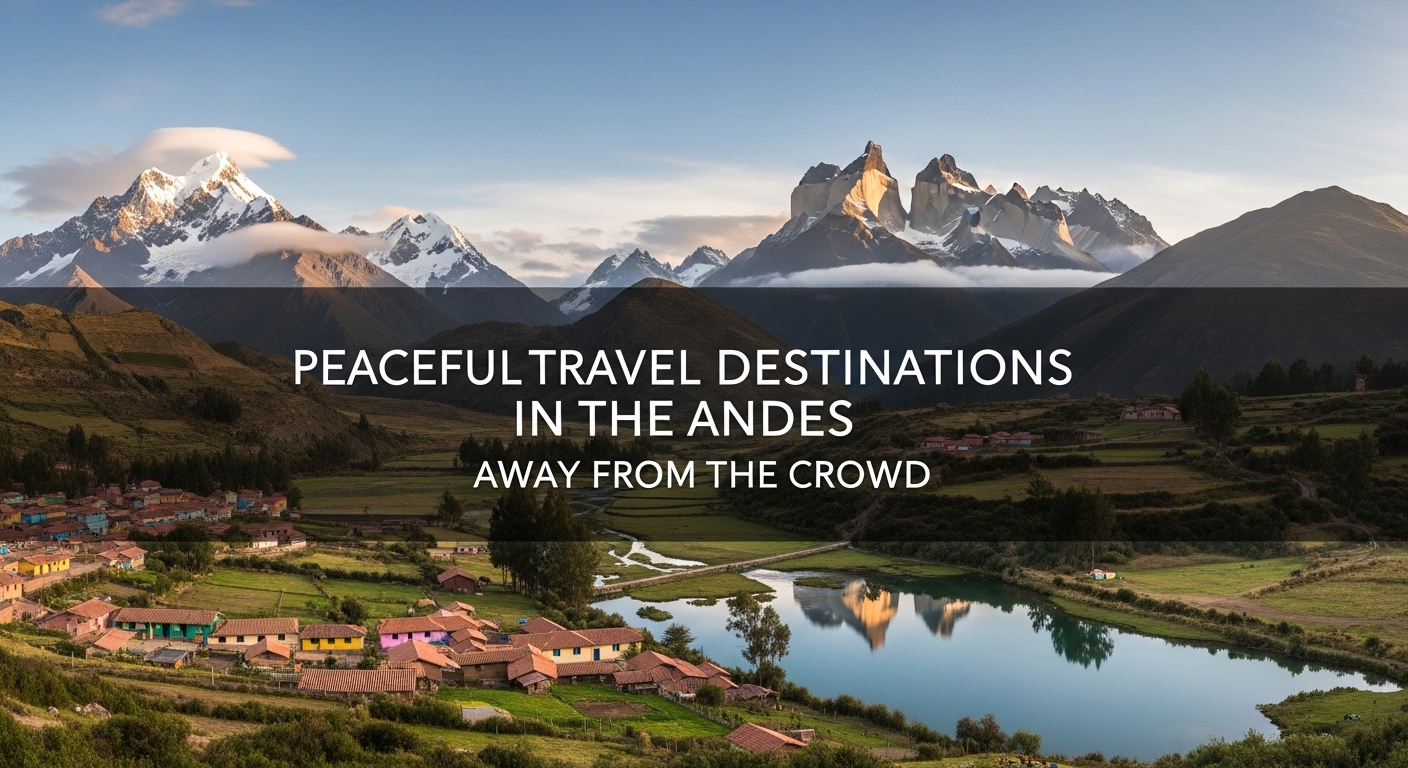 Peaceful Travel Destinations in the Andes Away from Crowd
  Family-Friendly Things to Do in Orlando That Aren’t Theme Parks
 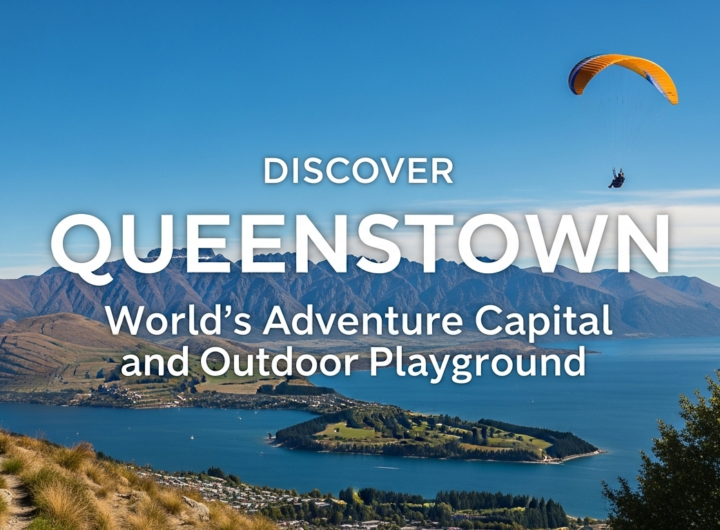 Discover Queenstown: World’s Adventure Capital and Outdoor Playground
 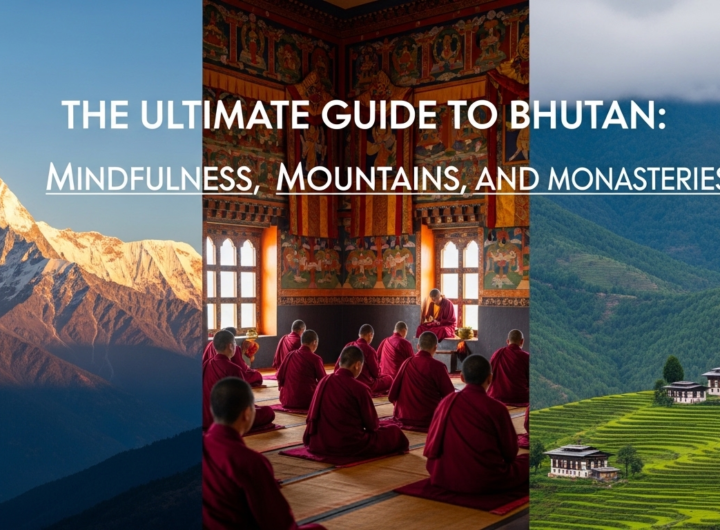 The Ultimate Guide to Bhutan: Mindfulness, Mountains, and Monasteries
 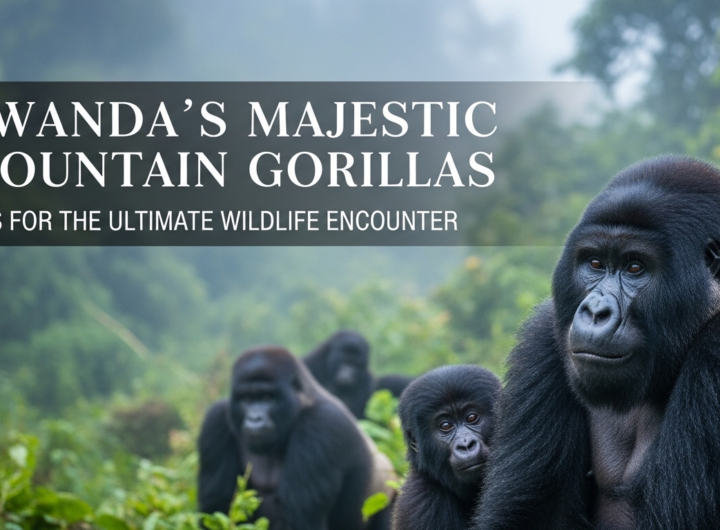 Rwanda’s Majestic Mountain Gorillas: Tips for the Ultimate Wildlife Encounter