
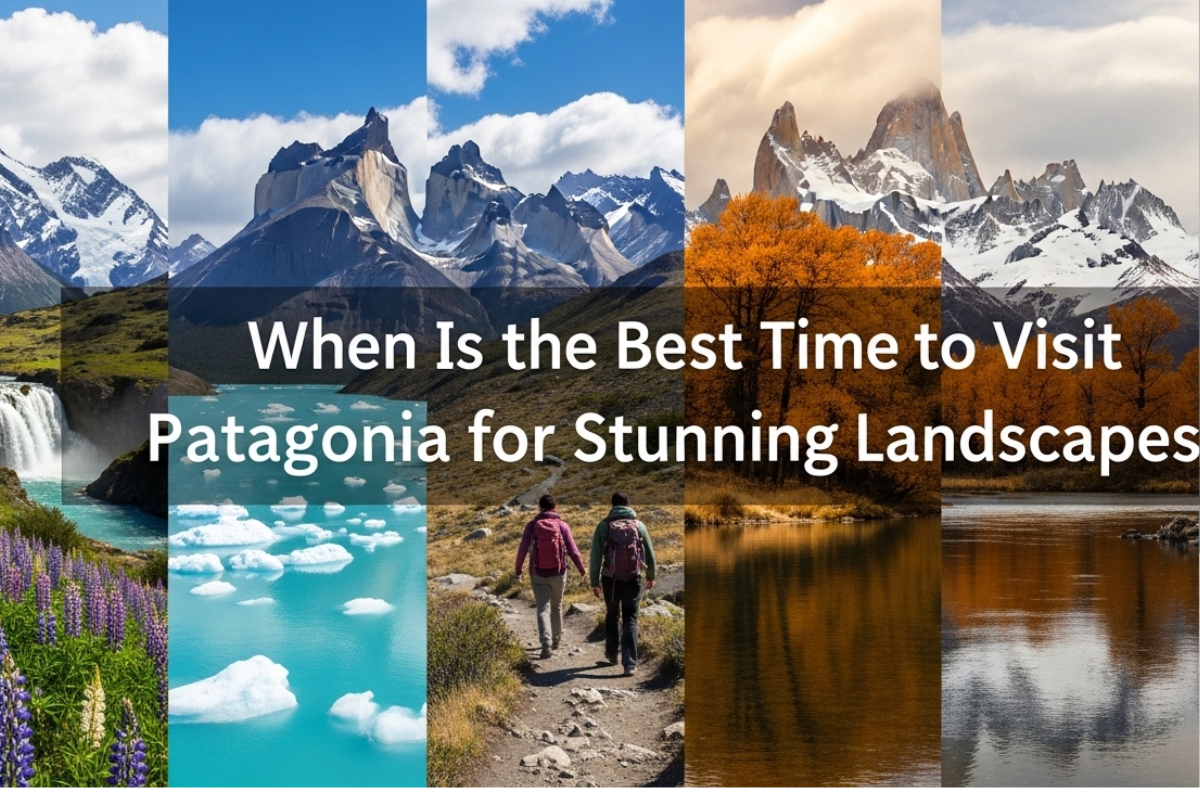
Best Time to Visit Patagonia
Patagonia is one of those places that looks dramatic no matter when you see it but how it looks changes completely with the seasons. Snow-capped peaks, turquoise lakes, golden grasslands, and powerful winds all shape the experience in different ways. Choosing the best time to visit Patagonia isn’t about finding a single perfect month; it’s about matching the landscape and weather to the kind of journey you want.
This guide is written to help travelers understand Patagonia realistically. Instead of broad promises, it breaks down seasons, weather patterns, and travel conditions so you can decide when Patagonia will feel most right for you.
Understanding Patagonia’s Climate Before You Plan
Patagonia stretches across southern Argentina and Chile, and its weather is famously unpredictable. Strong winds, sudden rain, and fast-changing skies are part of daily life here. That’s why the best time to visit Patagonia depends less on temperature and more on tolerance for weather changes.
Patagonia weather can shift within hours. A clear morning may turn windy by afternoon, and sunshine can quickly give way to cloud cover. Travelers who understand this rhythm tend to enjoy the experience far more.
Patagonia Travel Seasons Explained Simply
Best time to visit Patagonia travel seasons are usually divided into high, shoulder, and low periods. Each one shapes the landscape differently and affects accessibility, crowd levels, and costs.
The best time to visit Patagonia often falls within the shoulder seasons, when scenery is striking but conditions feel less extreme. However, every season offers its own version of beauty.
Summer in Patagonia: Long Days and Big Views
Summer months bring extended daylight and more stable conditions. Trails are open, lakes are accessible, and most services operate at full capacity.
For many travelers, summer feels like the safest answer to the best time to visit Patagonia, especially for hiking and photography. The landscapes appear vast and open, with clear views of mountains and glaciers.
However, summer also brings higher visitor numbers and stronger winds in certain areas. Planning early becomes important.
Autumn: Patagonia at Its Most Colourful
Autumn transforms Patagonia landscapes into a mix of gold, red, and deep orange tones. Forests change color, crowds thin out, and the region feels quieter.
For travelers seeking calm scenery and softer light, autumn is often considered the best time to visit Patagonia. Temperatures drop slightly, but the atmosphere becomes more reflective and peaceful.
Some trails may close late in the season, so flexible planning helps.
Winter: A Different Side of Patagonia
Winter brings snow, shorter days, and limited access to remote areas. While not ideal for trekking, it offers dramatic scenery and near-complete solitude.
For those interested in photography, snow-covered peaks and frozen lakes create a raw, powerful look. The best time to visit Patagonia in winter suits travelers who prioritize atmosphere over activity.
Services are limited, and preparation is essential.
Spring: Fresh Landscapes and Fewer Crowds
Spring marks Patagonia’s gradual awakening. Snow melts, rivers swell, and wildflowers begin to appear. Wildlife activity increases, and landscapes feel alive again.
Many consider spring the best time to visit Patagonia for balance—fewer tourists than summer and improving conditions each week. However, weather remains unpredictable, and some higher routes may still be inaccessible early on.
How Patagonia Weather Affects Travel Experience
Wind is often the biggest surprise. Even during calm seasons, strong gusts can influence hiking pace and comfort. Dressing in layers and planning shorter daily activities helps.
Understanding Patagonia weather removes frustration. Travellers who adapt their expectations often find the best time to visit Patagonia feels rewarding regardless of conditions.
Choosing the Right Season Based on Travel Style
Different travelers experience Patagonia differently. Hikers may prefer stable conditions, while photographers might prioritize light and color.
The best time to visit Patagonia changes depending on whether your focus is trekking, sightseeing, wildlife observation, or scenic relaxation.
Patagonia Landscapes Through the Year
Each season reshapes Patagonia landscapes. Summer highlights scale and clarity, autumn emphasizes color and texture, winter reveals raw contrast, and spring brings renewal.
Rather than asking when Patagonia looks best, it’s better to ask how you want it to look. This mindset makes choosing the best time to visit Patagonia far easier.
Places to Visit Patagonia by Season
Some regions shine at specific times. Glaciers are impressive year-round, but access varies. Mountain viewpoints are clearer in summer, while wildlife areas feel more active in spring.
Using a flexible approach to places to visit in Patagonia allows weather and season to guide your route instead of forcing rigid plans.
Patagonia Trip Planning: Timing Matters More Than Speed
Many travelers underestimate distances and weather delays. Building buffer days into itineraries makes travel smoother and less stressful.
Good Patagonia trip planning focuses on pacing rather than covering everything. The best time to visit Patagonia is far more enjoyable when travel feels unhurried.
Why Scenic Views Depend on More Than Weather
Clear skies don’t always equal the best experience. Light, cloud movement, and atmosphere often shape Patagonia’s scenic views more than sunshine alone.
Moody skies and shifting light can enhance landscapes, creating dramatic scenes that calm weather sometimes lacks.
Choose the Right Time for your Patagonia Journey
Deciding when to go is easier when priorities are clear. Keep these points in mind while planning:
- Match the season to your travel goals
Hiking, photography, and relaxation each suit different months. - Plan for flexibility
Weather changes quickly, so leave room for adjustments. - Prepare for wind and layers
Comfort improves the experience more than perfect forecasts. - Avoid rushing between regions
Fewer stops allow deeper exploration. - Accept Patagonia’s unpredictability
The unexpected often becomes the highlight.
A thoughtful approach helps Patagonia feel rewarding in any season.
Conclusion
Patagonia doesn’t offer a single perfect moment—it offers many, each shaped by season, light, and weather. The best time to visit Patagonia depends on what you hope to feel: openness, solitude, color, or contrast. When expectations align with nature’s rhythm, the landscapes feel more powerful and personal. With careful planning and a flexible mindset, Patagonia becomes less about timing and more about connection. Expedia continues to help travelers plan journeys that respect Patagonia’s scale, beauty, and changing seasons.
If you enjoy travel advice that’s honest, easy to follow, and thoughtfully written, you’ll find more at Holidaysvibe.
 Food Lover’s Guide to Oaxaca: The Ultimate Culinary Experience
  Alaska’s Midnight Sun: A Traveler’s Guide to Summer Adventures
  Exploring Borneo’s Wildlife: A Complete Guide to Rainforest Safaris
  Culinary Travel: Must-Try Foods in Marrakech for Food Lovers
  Discover Queenstown: World’s Adventure Capital and Outdoor Playground
  The Ultimate Guide to Petra: Explore the Ancient Wonder
  The Ultimate Guide to Bhutan: Mindfulness, Mountains, and Monasteries
  Rwanda’s Majestic Mountain Gorillas: Tips for the Ultimate Wildlife Encounter